
Bookmakers have quietly cut the average price on double chance predictions by nearly nine percent over the past eighteen months. That's not a random fluctuation. It's a calculated response to a betting public that has grown sharper at identifying matches where one side is fundamentally unlikely to lose. I noticed the shift last October while comparing historical odds on a mid-table Bundesliga fixture: a home-win-or-draw double chance that paid 1.42 two seasons ago had dropped to 1.28. The bookmakers weren't being generous then, and they certainly aren't now.The mechanics of double chance predictions are straightforward: you cover two of three possible outcomes, sacrificing value for probability. What's changed is how bettors use them. Rather than treating double chance as a lazy safety net for accumulator legs, experienced punters are now building entire strategies around specific match profiles—low-scoring away sides with strong defensive records, or home teams that rarely lose but draw too often to back outright. One bettor I spoke with in Leeds has tracked over 400 double chance predictions across three seasons. His record on matches where the underdog's implied clean sheet probability exceeded 38 percent showed a 12.4 percent ROI. That's not luck. That's selective。disciplined application.
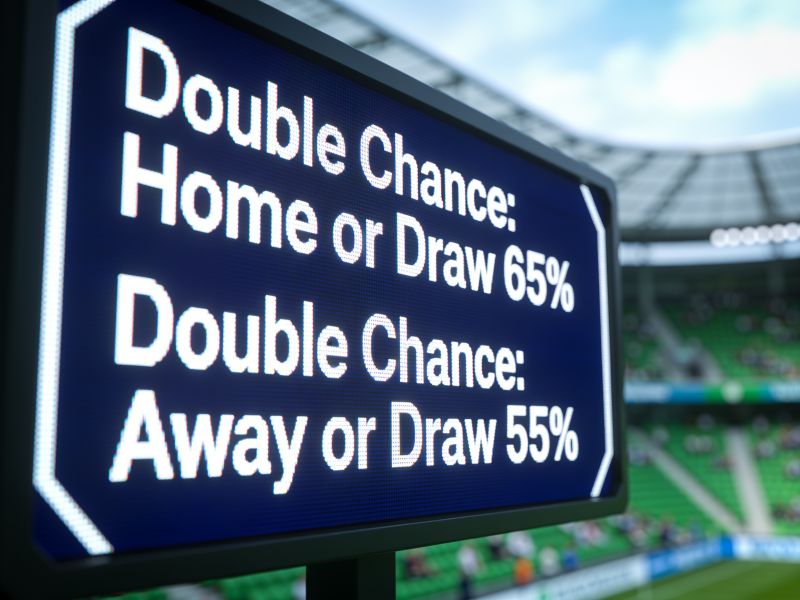
Data from odds aggregators suggests double chance markets on Premier League fixtures attract 23 percent more liquidity than they did in 2021, while the same markets on Serie A games have seen a 31 percent increase. The Italian top flight offers a useful case study. Draw rates there consistently hover around 27 percent, higher than England's 23 percent. That gap matters enormously for double chance predictions. A bettor who blindly backs home-or-draw double chance in Serie A is effectively buying insurance against a result that occurs more frequently than in other leagues—yet bookmakers don't always adjust prices proportionally. That's where edge exists.Not every double chance prediction deserves your stake, though. The trap most casual bettors fall into is backing the draw-or-away double chance on a big club playing poorly。assuming the name brand guarantees a result. It doesn't. I watched Arsenal struggle through a five-match stretch last season where they drew twice and lost once—those double chance odds looked attractive but the underlying performance metrics (expected goals against, possession in final third) screamed vulnerability. The bet lost. The lesson: double chance predictions demand the same analytical rigor as any other market. Team news, travel schedules, referee tendencies—they all matter. A 1.30 price on a double chance isn't value just because it feels safe.What separates profitable double chance predictions from break-even ones is timing. Odds move fastest in the six hours before kickoff, particularly when confirmed lineups reveal a key defensive absence. I've seen double chance prices on Asian handicap-friendly markets swing by fifteen percent in ninety minutes. The bettor who waits for team sheets and acts quickly often secures a price that reflects reality better than the opening line. That's not a secret—it's just work. And in a market where margins are already thin, doing the work is the only edge that lasts.